Cold Comfort Kitchen: A Worcester Winter Larder, Mapped
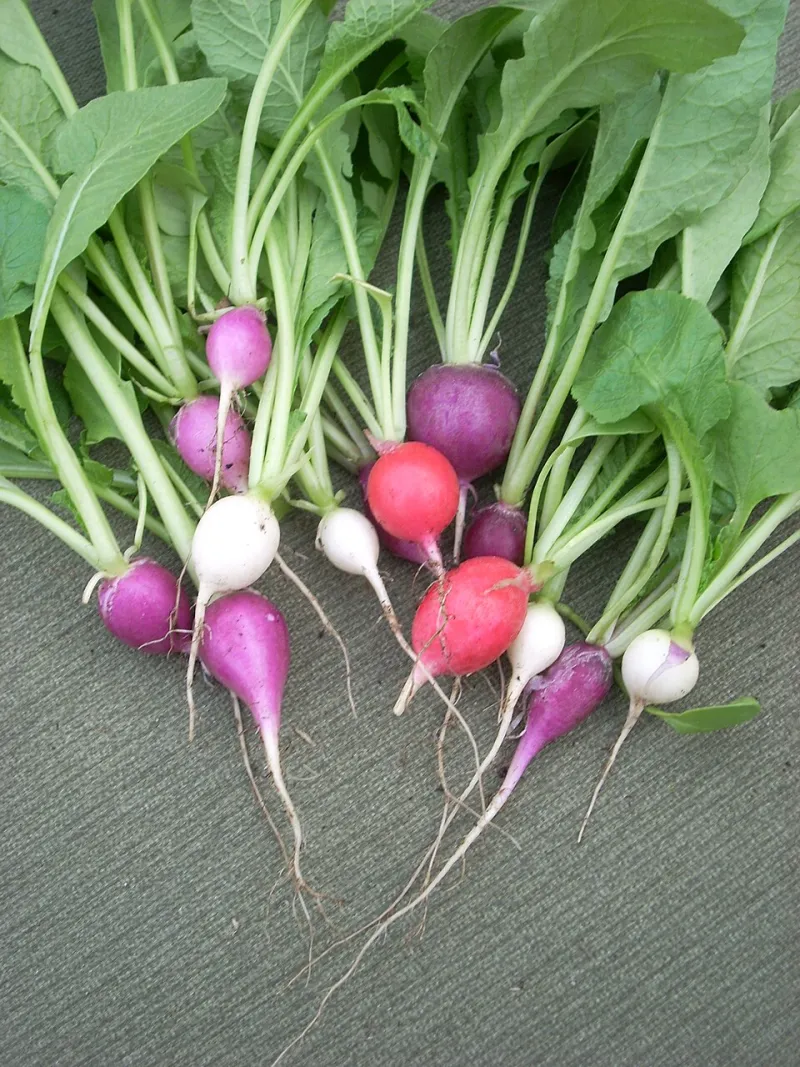
Photo: Self, en:User:Jengod, Public domain, via Wikimedia Commons
There's a particular Saturday morning in Worcester, somewhere between Bonfire Night and the Christmas lights, when the mist sits low over Pitchcroft and the market stalls are lit like little stages. The parsnips have had their first proper frost. The sprouts are still on the stalk. Somebody is selling quince, and somebody else is trying to give away the last of their courgettes. This is the moment the winter larder opens for business.
Eating seasonally in November and December isn't an exercise in austerity. It's the opposite. Roots sweetened by cold, brassicas with actual bite, orchard fruit that improves in a box under the stairs, game from the county's estates and preserves that have been quietly maturing since August. You just need to know where to point your basket.
What's genuinely at its best
Roots and alliums. Parsnips, swede, celeriac, carrots, beetroot, turnips and leeks. Jerusalem artichokes are worth the wind-related consequences. Frost converts starch to sugar in parsnips and sprouts, which is why a December parsnip tastes nothing like an October one.
Brassicas. Cavolo nero, January King and Savoy cabbage, red cabbage, kale, sprout tops (often the best bit and frequently the cheapest). Purple sprouting broccoli turns up later, from around February, so treat it as something to look forward to rather than something to hunt for now.
Salad, with caveats. Unheated polytunnels and cold frames around the Vale keep land cress, winter purslane, chicory and lamb's lettuce coming. It's a different kind of salad — bitter, crunchy, best with something warm and fatty poured over it.
Orchard fruit. Apples that store well are the ones to buy by the bag: Egremont Russet, D'Arcy Spice, Bramley, plus the county's own Worcester Pearmain when you can still find it late in the season. Conference pears, quince for membrillo and compote. Pershore plums are long gone fresh, but their jam, gin and chutney are not.
Game and slow meat. Pheasant and partridge through the season, venison from Worcestershire and the Marches, rabbit, hogget. Cheaper than you'd expect if you ask at a proper butcher's counter rather than a supermarket chiller.
The pantry. Local honey, orchard cider and perry, small-holding cheese, pickles and chutneys, and the county's most famous export doing what it does best in a Bloody Mary or a cheese toastie.
Where to fill the basket
The city markets. Worcester's general market days in the Cornmarket and around Angel Street are the obvious start — fruit and veg stalls where you can buy a sack of carrots for the price of two plastic-wrapped bunches elsewhere. Keep an eye on the calendar for farmers' market Saturdays and the seasonal Christmas markets, which bring producers in from the surrounding villages.
Independent greengrocers. The city's neighbourhoods still support proper greenGROCERS — Barbourne, St John's, Cherry Orchard and around Diglis. These are the people who will tell you which cabbage is worth buying this week, and who will sell you half a celeriac without sighing.
Farm shops and pick-your-own. Head out towards Ombersley, Hartlebury, Kempsey or the lanes around Upton Snodsbury and you'll find farm shops with honesty boxes, sacks of potatoes, boxes of windfall apples and freezer-ready game. Many run Christmas order books from early November; if you want a bird from a named farm, get in now.
Delis and cheese counters. Friar Street and the Shambles are the city's pantry: cheese, charcuterie, bread, oil, tinned beans, a decent vinegar. This is where you buy the things that make cheap vegetables feel like dinner.
The county towns. Pershore, Evesham, Ledbury, Bromyard, Droitwich and Upton upon Severn all have market days and shops worth a detour. Tenbury Wells deserves a special mention for its long-standing mistletoe sales in late November and early December — an genuinely old Worcestershire tradition, and a good excuse for a drive.
A week of suppers from one shop
Shop once, sensibly, and the week writes itself.
- Monday: celeriac and apple soup with toasted hazelnuts, and bread from the deli. Roast the celeriac first if you have the oven on for something else.
- Tuesday: roast squash and cavolo nero with whatever grain you've got, crumbled blue cheese on top.
- Wednesday: pheasant (or chicken thighs) roasted over leeks and bacon, mash underneath.
- Thursday: beetroot and goat's cheese tart, or a parsnip and butter bean gratin if the pastry mood hasn't struck. Watercress or land cress on the side.
- Friday: mussels or a firm white fish with cider, leeks and cream. Ask your fishmonger what came in this week rather than what's on a recipe card.
- Saturday: venison ragu with pasta and a sharp red cabbage slaw. This is the meal that convinces people game isn't fussy.
- Sunday: slow-roast pork shoulder on a bed of roots, then Monday's soup made from the bones and the leftovers.
Breakfasts and lunches slot in around it: porridge with quince compote, soup in a flask, a cheese toastie with something pickled.
Café stops along the way
Winter shopping is hungry work. Break the trip at one of the city's independents — a bowl of soup and a flat white in Barbourne or a bacon roll and a pot of tea near the Shambles will reset the whole morning. Go early, before the good bread goes.
Practical notes
Keep roots somewhere cool and dark rather than the fridge — a shed, a garage, a cold corner. Store sprouts on the stalk; they last longer and look better. Keep apples away from everything else, because they'll hurry it along. Freeze what you can't get through: cooked squash, soup, blanched kale, bread.
And buy the ugly ones. The knobbly parsnip, the split cabbage, the apple with a bruise. It all goes in the pan, and it keeps the money in the county.
By mid-January you'll be sick of swede, and that's fine — that's what February's purple sprouting is for.