Close to Home: The Honest Truth About a Worcestershire-Only Weekly Shop
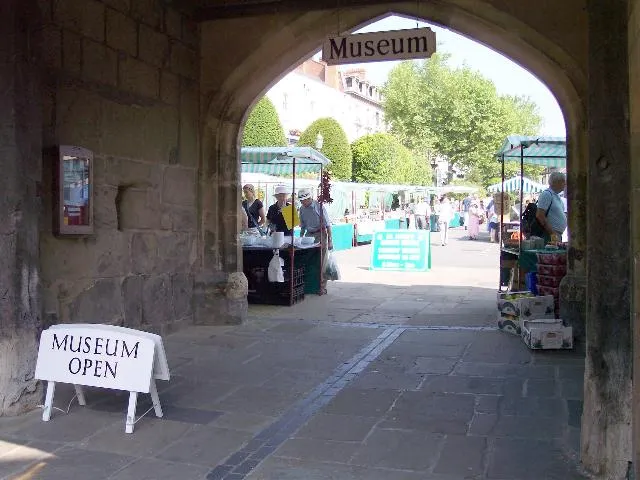
Photo: Bob Embleton, CC BY-SA 2.0, via Wikimedia Commons
At the beginning of November, with the last of the Worcester apples in the bowl and the first proper frosts on the allotments, I set myself a deliberately awkward challenge: one week of main meals built from food grown, reared, baked or made within 20 miles of the city centre. Not a single hero ingredient flown in. No quiet exceptions hidden at the back of the cupboard. Or, at least, as few as I could manage without turning dinner into a lecture.
It is the sort of idea that sounds wonderful on a slow Sunday and falls apart by Tuesday. But after a week of farmers' markets, farm shops, independent greengrocers and more root vegetables than I strictly needed, I think the answer is more useful than a simple yes or no.
The rule, and the honest loopholes
The 20-mile radius from Worcester is generous. It takes in Malvern, Pershore, Evesham, Droitwich, Bromsgrove, Tenbury Wells and a good chunk of the Severn and Teme valleys. It does not take in rice, tea, coffee, olive oil, salt or most of the spices in my cupboard. So I allowed a pantry amnesty: store-cupboard basics could come from anywhere, but the centre of the plate had to be local.
Even that felt slippery. Is a loaf made in Worcester with flour milled in Wiltshire local? Is a Worcestershire cheese made with rennet from elsewhere local? The point of the exercise is not purity. It is to see how far a normal weekly shop can shift before it breaks.
What late autumn actually offers
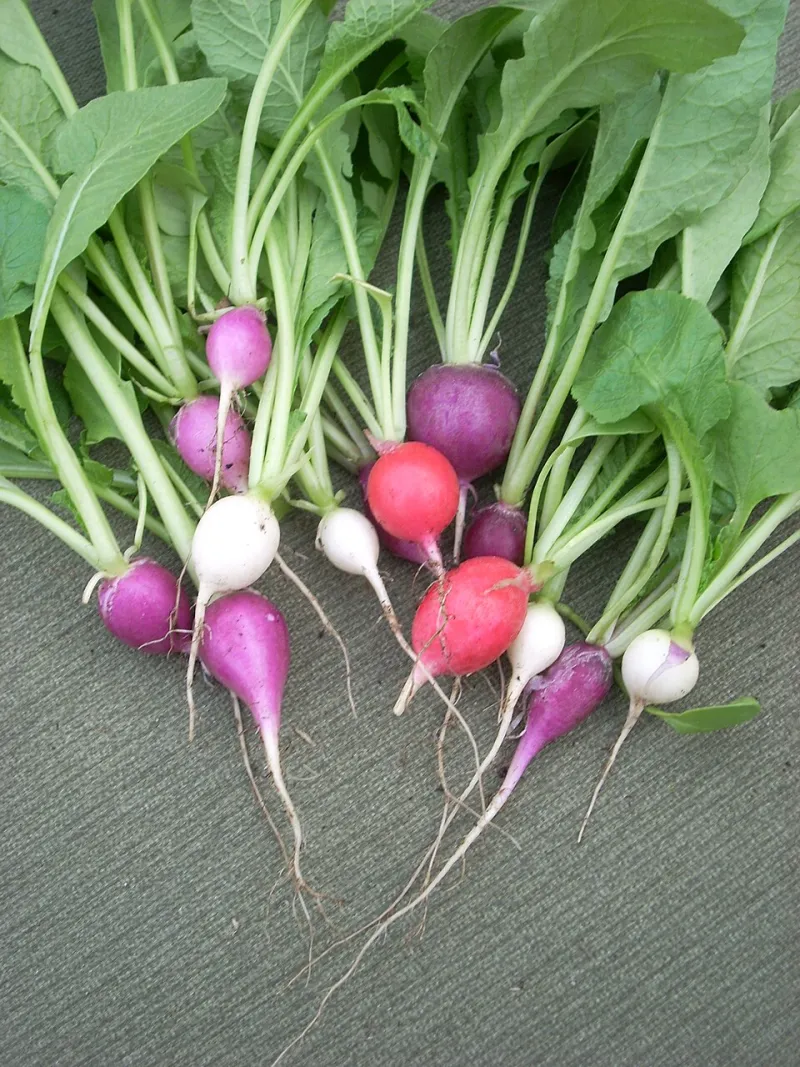
November is not the problem month people think. It is a brilliant month for the kind of food that makes a local larder feel sturdy rather than worthy: leeks, cabbages, kale, beetroot, carrots, parsnips, squash, potatoes, apples and pears. The Worcester Farmers' Market and the monthly markets in Pershore and Malvern are good places to start, especially if you go early and take cash.
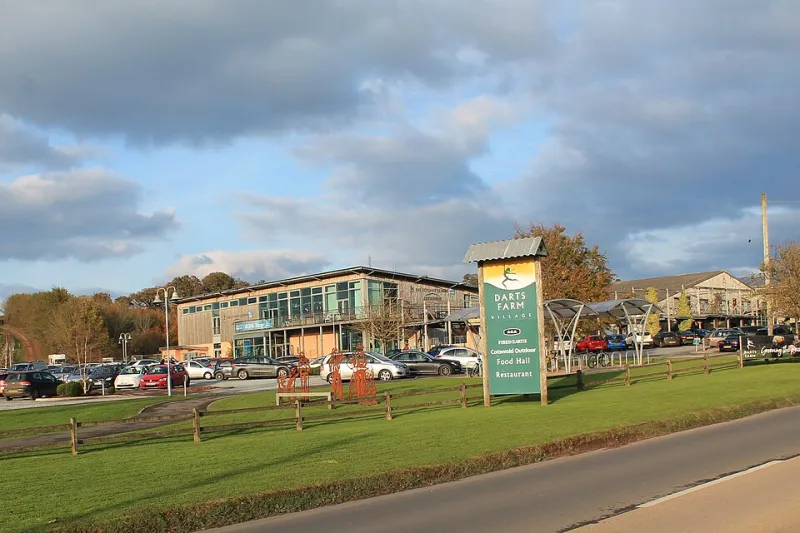
For fruit, Clive's Fruit Farm at Upton-upon-Severn is the sort of place that makes a weekend detour feel sensible; in late autumn the orchard focus shifts from picking to stored apples, juice and the last of the season's pears. Churchfields Farm near Droitwich is a useful family stop for dairy and a reminder that local food is often a day out as much as a shopping trip. Independent butchers, greengrocers and delis in Worcester do the rest of the work, provided you are willing to visit two or three shops rather than one supermarket aisle.
The cost question
Local food has a reputation for being expensive, and sometimes it is. A whole local chicken can cost more than the cheapest supermarket bird. But a whole chicken gives a roast, stock, soup and sandwiches. A bag of local carrots may look pricey next to a value line, but it usually lasts longer and tastes of something.
The real comparison is not per kilogram. It is per meal, per wasted bag and per top-up trip. Local shopping rewards planning. It punishes the vague, hungry, 6pm version of you who just wants something in a bag. That is not a moral failing; it is a design problem.
Convenience is the real barrier
Farm shops keep farm hours. Markets are weekly or monthly. You cannot pop out at 9pm for a missing leek. This is where most local-eating resolutions collapse, and it is worth admitting it up front.
The fix is boring but effective: one main shop, one top-up, and a freezer that earns its keep. A veg box or farm shop click-and-collect can do the heavy lifting. Batch-cook a squash curry or a leek and potato soup on Sunday and Tuesday stops being a crisis. Keep eggs, bread and cheese in the house and you are never more than ten minutes from a decent local meal.
The swaps that stick
Some local swaps are easy enough to become habits. Supermarket apples become orchard apples. Imported salad becomes seasonal greens. Chicken breasts become a whole bird. Fragile herbs become hardy rosemary and thyme. Sliced white becomes a loaf from a Worcester bakery. Milk, cheese and yoghurt come from a local dairy if you can find one that fits your budget.
Other swaps are not worth forcing. Coffee, tea, rice and olive oil are not going to be grown in Worcestershire any time soon. The point is not to pretend otherwise. The point is to stop treating imported staples as the main event and local food as the garnish.
The verdict
Can Worcester eat truly local in 2026? For a meal, yes — easily, and often beautifully. For a full weekly shop, not without a pantry of exceptions and a willingness to visit more than one shop. But the 20-mile meal works best as a nudge rather than a border. Shift the centre of gravity of your shop, and the compromises stop feeling like failures. They start feeling like dinner.