The Case for Char: Worcester’s Brussels Sprouts Finally Get Cooked Properly
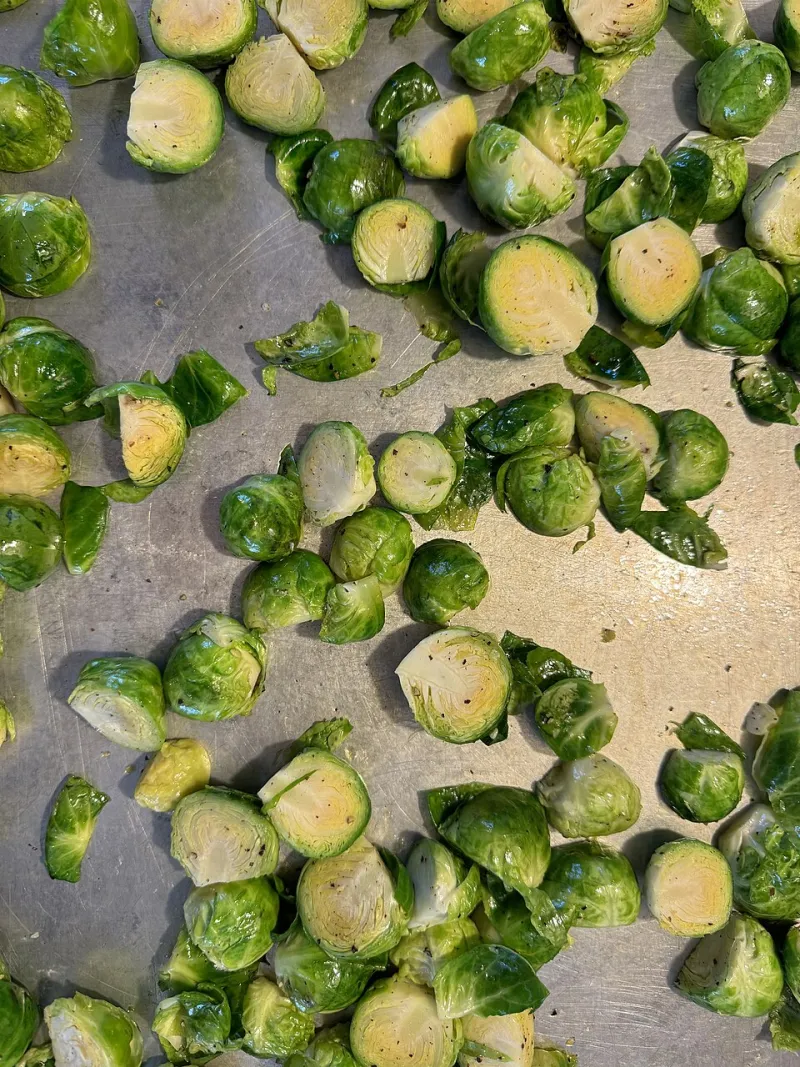
Photo: Missvain, CC BY 4.0, via Wikimedia Commons
Every December, the Brussels sprout arrives in Worcester with a reputation problem. It is the vegetable people apologise for, the side dish that gets a joke before it gets a fork. But walk past the greengrocers this month and the evidence is hard to ignore: tight little green heads, still on the stalk, stacked by the door like a promise. Worcestershire has grown good sprouts for a long time. The issue is rarely the sprout. It is what happens to it between the field and the plate.
From the Vale to the Shambles
Most of the sprouts reaching Worcester’s independent shops in late 2026 come from the market gardens and larger vegetable holdings around Evesham, Pershore and the softer edges of the Vale. The soil is good, the frosts are useful, and the local crop tends to arrive with a little less travel behind it than the supermarket bags. That matters for flavour. A sprout that has been chilled and shifted across the country can taste tired before it reaches the pan.
At a greengrocer on The Shambles, the winter display is unapologetically seasonal: sprouts on the stalk, loose ones by the kilo, a few sprout tops bundled like leafy afterthoughts. The advice from behind the counter is straightforward. Choose small, firm heads. Check the base is pale and tight, not yellowing. If you are buying a stalk, look for one that still feels heavy and snaps rather than bends. Keep it cool, use it within a week, and do not peel half the sprout away before cooking. That outer leaf is often the best bit once it chars.
There is also a quiet argument for buying the stalk. It keeps better, looks good on the kitchen counter, and gives you the smaller buttons near the top for quick cooking. The larger ones lower down can be halved and roasted. Nothing needs to be wasted except the woody stem.
A Small Audit of Worcester Café and Pub Sprouts
The real test is not what the greengrocer sells but what the kitchens do with it. Across Worcester this winter, there are signs that the sprout is being taken more seriously, even if the old habits have not disappeared entirely.
A café near the cathedral is serving sprouts roasted hard with chestnuts, thyme and a little lemon zest. The cut sides are dark, the interiors are sweet, and the chestnuts add a softness that makes the whole thing feel like Christmas without the usual cliché. It is the sort of dish that could convert a sceptic. A pub off the Tything takes a different route: sprouts shredded and quickly fried with smoked bacon, a pinch of chilli and a splash of Worcestershire sauce. The sauce is not a gimmick here. It adds a savoury edge that works with the slight bitterness of the greens.
Then there is the deli counter in the Shambles doing a raw sprout salad: finely shaved sprouts, apple matchsticks, toasted hazelnuts and a sharp mustard dressing. It is crunchy, bright and entirely unlike the soft, grey sprouts of school dinners. Not every kitchen has moved on. One carvery still sends out sprouts that have been held in water until they surrender. The regulars do not seem to mind. The kitchen knows. But the better plates around town show what is possible when the sprout is treated as a vegetable rather than a tradition.
Why Boiling Betrays Them
Sprouts belong to the brassica family, which means they contain sulphur compounds. Cook them briefly and those compounds stay in check. Cook them for too long and they turn pungent, soft and sad. A long boil also leaches out the sweetness and leaves you with nothing but texture and smell. The old advice to cut a cross in the base was meant to help even cooking, but it also encourages water to get inside. A better approach is to trim the base, remove only loose leaves, and cook hot and fast or roast dry.
Fat, salt and acid are the reliable allies. Olive oil or butter, a good pinch of salt, and a squeeze of lemon at the end will do more for a sprout than any amount of buttered breadcrumbs. Charring is especially useful. Those dark edges are not a mistake; they are flavour. The same goes for shredding. A raw or barely cooked sprout keeps its bite and avoids the sulphurous slump altogether.
Three Ways to Cook Them at Home
Start with the hot oven. Heat it to 220C, halve the sprouts lengthways, toss them with oil and salt, and lay them cut-side down on a tray. Give them 20 to 25 minutes without crowding. They should be deeply browned at the edges and tender inside. Finish with lemon and, if you like, a few toasted hazelnuts.
For the frying pan, shred the sprouts finely, maybe with a mandoline or a sharp knife. Get a pan hot, add a little oil and smoked bacon or pancetta, then the sprouts. Keep them moving for three or four minutes. Add garlic at the end, not the beginning, and finish with black pepper and a small splash of Worcestershire sauce. This is the version that tends to win over the doubters.
For a whole-roasted approach, toss whole small sprouts with oil, maple syrup and a spoonful of mustard, then roast until sticky and browned. Chestnuts are optional but traditional. Sprout tops, if you find them, can be treated like greens: wilted in a pan with butter and a little lemon, or shredded into the same bacon pan.
The Christmas Day Question
On the day itself, timing matters more than technique. Sprouts are best cooked close to serving. If you are preparing ahead, blanch them for two minutes, drain and cool them quickly, then roast or fry them at the last minute. Do not hold them in a lidded pan on the hob while the rest of the meal finishes. That is how they end up grey.
Buying local is not just a slogan here. Worcestershire sprouts are in season, they are good, and they are sitting in the shops now. The Christmas market may be the louder attraction, but the greengrocer’s stalk is the quieter seasonal pleasure. Give the sprout a fair hearing this year. Char it, shred it, roast it, and see what happens when it is cooked properly.