First Pick: A 10am Food Loop Through Worcester's Independents
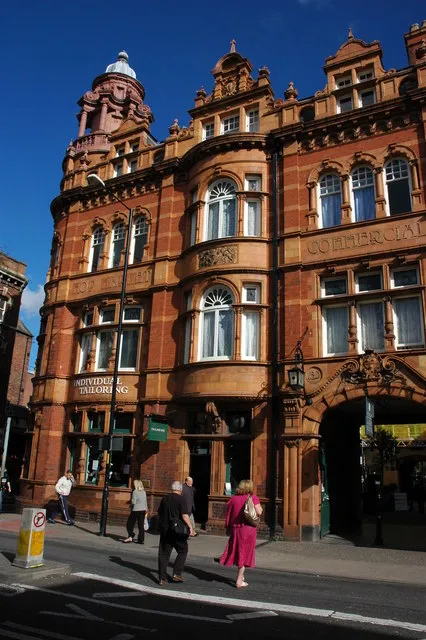
Photo: Philip Halling, CC BY-SA 2.0, via Wikimedia Commons
At 9.40 on a grey Tuesday in November, Worcester's food streets are already awake. The market pitches have been dressed, the butcher has sharpened a knife, and somebody is stacking leeks with the sort of care usually reserved for a window display. By 10am, the useful part of the morning is quietly closing. Not because traders pack up, but because the first pick has gone.
Why 10am is the quiet deadline
The 10am rule is not a council bylaw. It is a shopper's hunch that happens to be right. Early morning is when boxes are opened, when greens are still cold from the night, when a butcher has whole cuts on the block and a fishmonger's ice has not been picked over. It is also when there is time to ask questions without holding up a queue.
Shopping early is not about virtue-signalling with a tote bag. It is practical. Traders get a clearer idea of demand, fewer good things go soft in the afternoon, and customers get the pick of the day rather than the leftovers of it. In late autumn 2026, with roots and brassicas piling up and the first proper chill in the air, that matters more than it does in July.
The loop: market first, side streets second
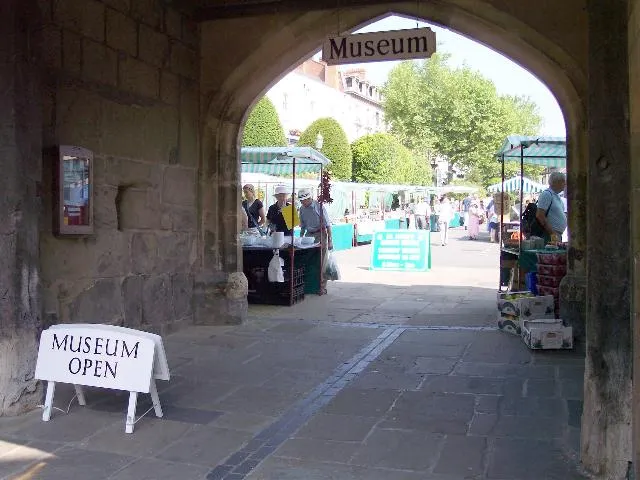
Start where the choice is widest and the conversation is easiest: the market. Then work outwards through the side streets, keeping the bag light and the list short. A compact city-centre loop is better than a grand tour. You want to be finished before the coffee crowd arrives, not collapsing on a bench with three kilos of potatoes.
Greens and fruit
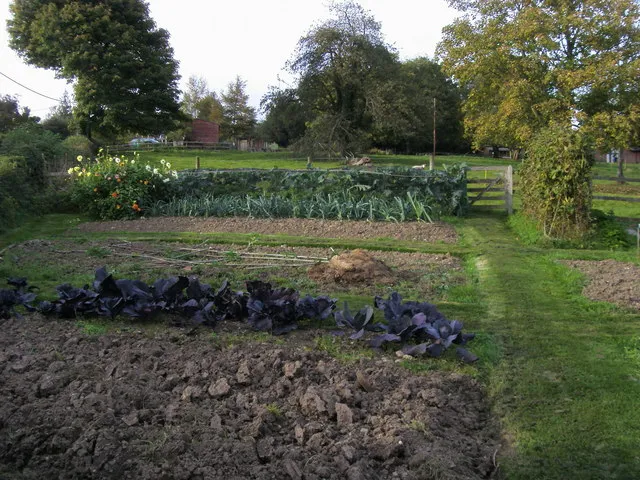
Go for loose produce first. Carrots with a bit of soil, cavolo nero, leeks, beetroot, squash, apples and pears are the late-autumn backbone. Ask what is from Worcestershire and what is simply British. The honest answer is more useful than a vague sign. If the stallholder says the apples are from Kent and the greens are from Evesham way, that is a good conversation, not a failure.
The butcher's counter
Early is when you can ask for a cut without feeling like a nuisance. Shin, shoulder, belly, bones for stock, a smaller joint for two. Late autumn is also game territory if the counter has it: pheasant, rabbit, maybe venison. Ask where it came from. A good butcher will tell you the farm, the breed or at least the county, and will not mind the question.
The fishmonger
Fish is the one part of the loop where the day matters. Friday and Saturday are usually stronger than Monday. Ask what came in that morning, what is frozen and what is fresh, and what is worth buying for a simple supper. Mussels, pollock, lemon sole and whatever is plentiful should guide you more than a recipe. Take the ice if it is offered.
The deli and dairy
Finish with the things that keep: cheese, butter, eggs, bread, maybe a jar of something sharp. This is where 'local' labels get slippery. A deli can be a brilliant shop and still stock imported olives and Spanish ham. That is fine. The question is whether the local things are labelled honestly and whether the ordinary staples are given as much space as the expensive treats.
What to buy in late autumn 2026
Think roots, brassicas, orchard fruit and warming cuts. Leeks and potatoes for soup. Squash for roasting. Apples for crumble. Beetroot for a traybake with feta. A bag of mussels if the fishmonger has them. Bones for stock if the butcher has them going spare. This is not a glamorous list, but it is the sort of shopping that turns into three or four proper meals without a second trip.
The compact route
A sensible loop is market first, then the side streets around the Shambles and Reindeer Court, finishing near Friar Street or the Cathedral for a coffee. Keep it to 45 minutes. Bring a sturdy bag, a loose list and a little cash, even if most traders take cards. If you are driving, park once and walk; the point is not to battle the ring road for a single bunch of carrots.
Why early shopping is not just a tick-box
Buying from an independent at 9.30am is not automatically better than buying from a supermarket at 6pm. What makes it better is the relationship. The trader learns what you like. You learn what is good that week. The shop can plan, waste less and keep the useful stuff coming. That is local food as a habit, not a sticker on a jar. And in Worcester, the habit starts before 10am.