Honestly Local: Three Quiet Fixes for Worcester's Food Scene
Photo: Andrew Darge , CC BY-SA 2.0, via Wikimedia Commons
Walk through Worcester on a Saturday and you can play local-food bingo. A chalkboard says 'local eggs'. A deli shelf says 'Worcestershire cheese'. A café menu mentions a nearby farm without saying which one. None of it is a lie, exactly. But 'local' has become a mood rather than a supply chain, and that is where the trouble starts.
The problem with 'local' as a vibe
The word is doing too much work. It can mean grown in the county, baked in the city, assembled from imported ingredients, or simply 'we like the idea of it'. It can justify a premium price on a jar of something ordinary. It can make local food feel like a special-occasion shop rather than the place you buy carrots on a Wednesday.
That is not a Worcester-only problem, but Worcester feels it sharply. We are a small city with a strong food identity, a proper market tradition and a lot of people who care. The risk is that 'local' becomes a performance: a label to admire rather than a system to use. In 2026, the useful question is not 'is this local?' but 'what does local actually mean here?'
Fix one: labelling that says what it means
The first quiet fix is already visible in the best independent shops: labels that tell you the truth in plain language. 'Grown in Worcestershire.' 'Baked here this morning.' 'British, not local.' 'Imported.' It is not glamorous, but it is useful. A market trader who says the apples are from Kent and the greens are from Evesham is doing more for local food than a sign that just says 'fresh local produce'.
Honest labelling also takes the pressure off customers. You do not have to interrogate every shop assistant to find out whether the ham is from Herefordshire or Hungary. The information is there. If a shop is proud of its suppliers, it should name them. If an ingredient is imported, say so. Trust grows faster than any premium.
Fix two: everyday seasonal staples, not just showpieces
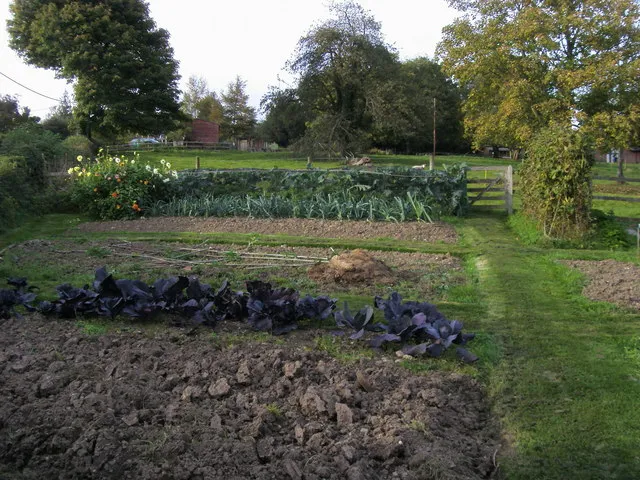
The second fix is about price and habit. Local food cannot only be a treat. It has to include the ordinary things: potatoes, leeks, carrots, eggs, milk, bread, cheese, apples. The greengrocer's £1 bowl of onions is as much a part of local food as the artisan sausage roll. A café using local milk and eggs in a everyday breakfast is doing quiet, useful work.
This is where Worcester could be sharper. There is a tendency to celebrate the special and ignore the staple. But a food scene is not built on showpieces alone. It is built on the weekly shop, the lunchtime sandwich, the bag of greens that costs less than a coffee. If local produce is only for the weekend, it will stay a niche.
Fix three: better links between traders and customers
The third fix is the most human: better links between the people who sell food and the people who eat it. That can mean a butcher explaining how to cook a cheaper cut. A fishmonger saying what is good that day. A market trader taking pre-orders. A café naming its supplier on the menu and being happy to talk about it.
These are small things, but they change the relationship. Customers stop being passive label-readers and start being regulars. Traders get feedback, loyalty and less waste. A shop that knows its customers can stock the right things in the right quantities. That is not a marketing campaign. It is just good retail.
A more useful definition for 2026
So what should 'local' mean in Worcester in 2026? A useful definition is not a purity test. It is a direction of travel. Local food is food whose story you can follow: where it was grown, reared, baked or made, and by whom. It is seasonal where it can be, honest where it cannot, and priced so that ordinary people can make it part of ordinary life.
That definition leaves room for imported coffee, Spanish olives and the fact that not everything can come from Worcestershire. It also leaves room for the butcher, the greengrocer, the market pitch and the café that quietly does the right thing without a banner. Local is not a badge. It is a habit, and Worcester already has most of what it needs to make it work.