The Orchard in the Glass: Worcestershire Perry Gets Its Voice Back
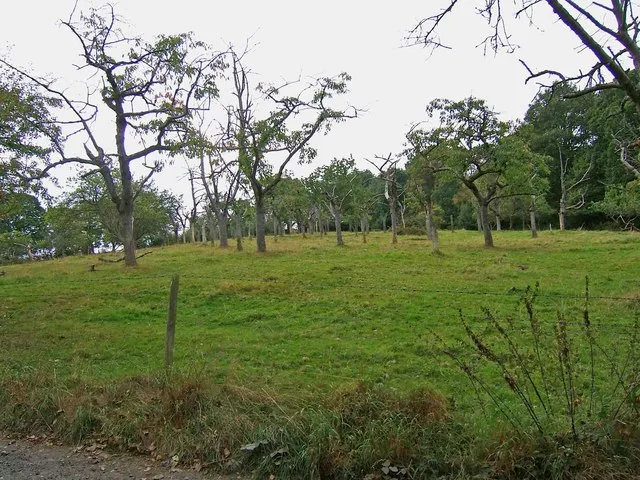
Photo: P L Chadwick, CC BY-SA 2.0, via Wikimedia Commons
There is a particular kind of quiet that settles over an orchard in late November. The grass is wet, the light is low, and the trees look half-asleep. Then you notice the fruit: small, hard, russet-and-green pears that are no good for eating raw but have spent generations being turned into something far more interesting. In Worcestershire, that something is perry—and it is having a moment.
Not a loud moment. You will not find perry plastered across every bar in Worcester, and that is part of its charm. But across the county, small makers, orchard owners and publicans are quietly giving perry the attention it deserves. It is a local food story with roots deep enough to matter and a flavour bright enough to win over anyone who thinks they do not like pear drinks.
A pear with a county memory
Worcestershire has a long, tangled history with perry pears. Before the supermarkets standardised everything, orchards around Pershore, Upton upon Severn, Malvern and the villages west of Worcester were planted with varieties chosen for one job: making a fermented drink with structure, bite and a sense of place. Names such as Blakeney Red, Butt, Moorcroft, Gin, Huffcap and Thorn are not the sort of thing you see on a modern drinks list, but they are part of the county’s agricultural vocabulary.
By the mid-20th century, many of those orchards had been grubbed up or left to go wild. Perry became a farmhouse drink, something made for family and friends rather than a commercial product. It survived in pockets, often in old stone barns and wooden presses, but it slipped out of the everyday food conversation. Cider had a revival. Perry waited.
Now the waiting seems to be over. The revival is not being driven by big brands or aggressive marketing. It is coming from people who have inherited a few old trees, or planted new orchards with traditional varieties, or simply tasted a properly made perry and realised they had been missing something.
What makes perry different
The first thing to understand is that perry is not pear cider. Or rather, it is not the sweet, fizzy, pear-flavoured stuff that often carries that label. Traditional perry is made from perry pears—fruit with high tannin, firm acidity and a complex character that behaves more like a proper cider apple than a dessert pear. The best examples are fermented slowly, often with wild yeast, and the result is a drink with grip, perfume and a long, dry finish.
That tannin is what gives perry its shape. It can taste of citrus peel, blossom, wet stone and sometimes a faint almond note. The sweetness is usually restrained. A good perry is refreshing without being simple, and it works with food in a way that surprises people. It is lovely with roast pork, hard cheese, root vegetables and the kind of warming winter dishes that Worcester kitchens do so well.
The revival also matters because these orchards are not just pretty landscapes. They are agricultural places with a specific purpose. When a maker plants perry pear trees, they are making a long-term bet on local flavour. These trees take years to crop properly, and the varieties are not interchangeable. That slowness is part of the story—and part of the reason the drink tastes the way it does.
The new orchard economy
Around Worcester, the perry revival is being built by small-scale producers who are closer to growers than to drinks companies. Some are orchardists who press their own fruit. Some are cider makers who have added perry to the range because the pears were there. Some are publicans and deli owners who want something local to put beside the beer taps and the wine list.
This is where perry starts to feel like a proper food story rather than a rustic curiosity. It connects orchards to pubs, cafés to kitchens, and growers to drinkers. A bottle of local perry is not just a nice alternative to cider; it is a record of a particular orchard, a particular year and a particular set of choices. That is the same logic that has made Worcestershire’s small-batch food scene so interesting in recent years.
The county’s independent cafés and delis are beginning to take note. You are more likely now to see perry on a winter drinks list, or offered alongside a cheese board, or used in a marinade or a dressing. It is a natural fit for the kind of seasonal, local cooking that Worcester does best. The drink has a long memory, but it does not need to be precious. It just needs to be poured.
How to drink it this winter
If you are new to perry, start with a bottle that tells you something about the fruit. Traditional perry is often labelled by pear variety, or at least by orchard. Look for words like dry, keeved, wild fermented or traditional method. Do not expect it to taste like dessert. Expect something drier, more savoury and more interesting.
Serve it lightly chilled rather than ice-cold. A tumbler or a wine glass works well. If you are eating, keep it simple: a slab of local cheese, a bowl of roasted parsnips, a pork pie, or a Sunday roast. Perry has enough acidity to cut through richness and enough perfume to handle earthy flavours. It is also a very good match for the kind of cold-weather food that makes November and December worth looking forward to.
And if you see it in a Worcester pub or café, ask about it. Ask who made it, where the pears came from and whether the orchard is still standing. Those questions are part of the revival. They tell the people doing the work that perry is not a museum piece. It is a living local drink with a future.
A quiet revival worth raising a glass to
Worcestershire’s perry story is not about nostalgia. It is about flavour, place and the slow work of keeping an orchard useful. The county already has a strong claim on cider, beer, wine and a growing number of small food producers. Perry deserves a place in that line-up—not as a quirky footnote, but as a serious local drink with a long history and a present-tense appeal.
So this winter, keep an eye out for it. A bottle on a deli shelf, a tap in a village pub, a glass beside a plate of something good. The pear revival is quiet, but it is happening. And once you have tasted a properly made Worcestershire perry, it is very hard to see it as a curiosity again.